
Water is life. Our body is made up of nearly 60% water, and staying hydrated is crucial for every function we perform. From carrying nutrients to regulating temperature, water plays an essential role in keeping us healthy. But one of the most common health questions people ask is: how much water should a person drink a day?
You’ve probably heard the advice “drink 8 glasses of water a day,” but is that really enough? Or could it be too much for some people? The answer depends on several factors like age, gender, activity level, diet, and climate. In this article, we’ll break down the science behind hydration, explore the benefits of drinking water daily, and give you practical tips to know how much water should I drink a day for optimal health.
Why Hydration Matters
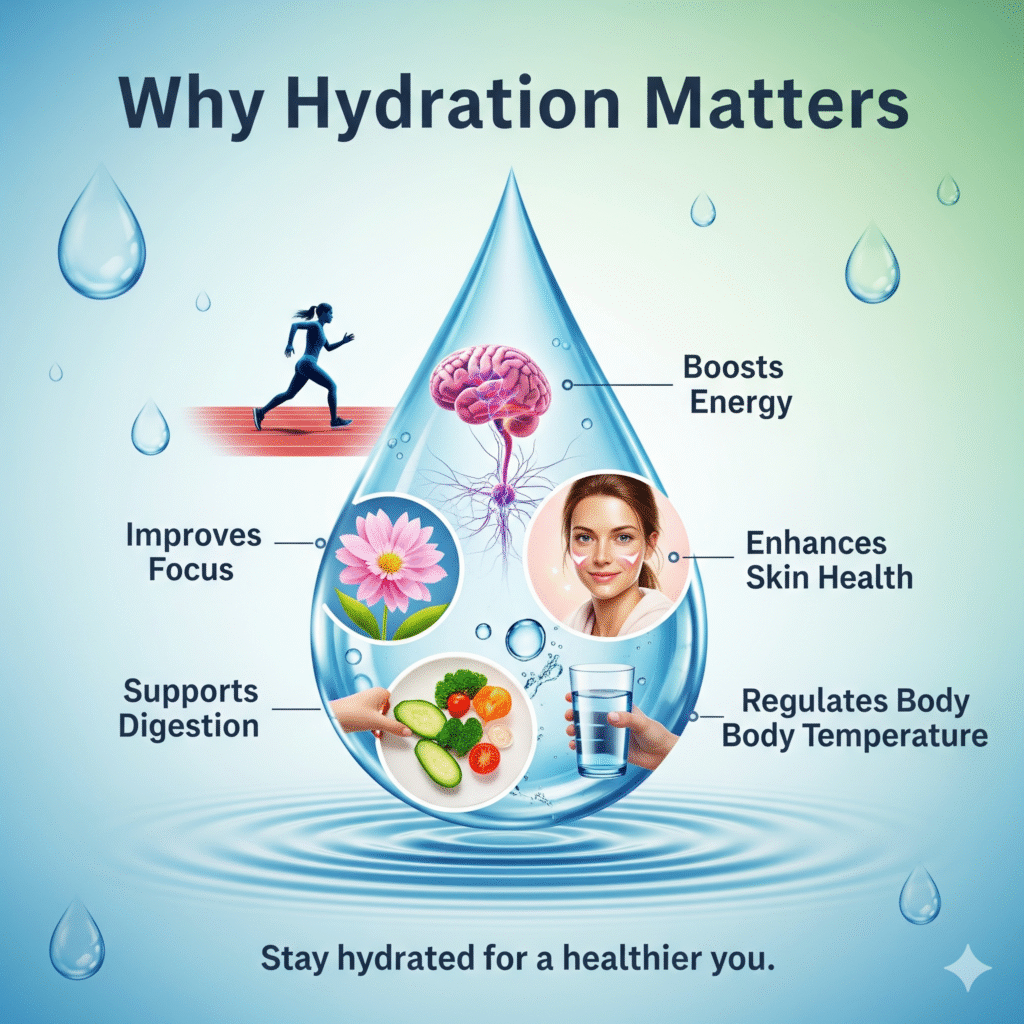
Before we answer how much water should a person drink a day, it’s important to understand why hydration is so critical. Water is not just a thirst-quencher; it fuels every cell and organ.
- Maintains body temperature: Water acts as a coolant, preventing overheating.
- Supports digestion: It helps in breaking down food and absorbing nutrients.
- Lubricates joints: Staying hydrated prevents stiffness and improves mobility.
- Flushes toxins: The kidneys depend on water to remove waste from the body.
- Boosts brain function: Even mild dehydration can cause fatigue, confusion, or headaches.
If you neglect hydration, you may experience fatigue, dry skin, dizziness, or even kidney problems. That’s why health experts emphasize understanding how much water should a person drink a day for long-term well-being.
The Benefits of Drinking Water Daily

Many people underestimate the benefits of drinking water daily, thinking hydration is only about quenching thirst. In reality, drinking enough water every day transforms your health in multiple ways.
Here are some key advantages:
- Improves Energy Levels
When you’re dehydrated, your blood volume drops, making the heart work harder. Drinking enough water restores balance and keeps you energized. - Supports Weight Management
Sometimes thirst is mistaken for hunger. Drinking water before meals helps control appetite and may aid in weight loss. - Enhances Skin Health
Adequate hydration reduces dryness and gives your skin a natural glow. - Boosts Immunity
Drinking water daily supports lymph production, which strengthens immunity. - Prevents Headaches and Migraines
Dehydration is a major cause of headaches. Staying hydrated reduces frequency and intensity. - Improves Physical Performance
Athletes and active individuals need more water to avoid cramps and exhaustion. - Promotes Kidney Health
Water helps dilute minerals, reducing the risk of kidney stones.
When we talk about the benefits of drinking water daily, it becomes clear that hydration isn’t just a choice—it’s a necessity for overall health.
So, How Much Water Should a Person Drink a Day?

Now, let’s dive into the central question: how much water should a person drink a day?
While the “8 glasses” rule is a good starting point, science suggests a more personalized approach.
General Recommendations
- Men: Around 3.7 liters (about 13 cups) per day.
- Women: Around 2.7 liters (about 9 cups) per day.
This includes water from beverages and food. For example, fruits like watermelon and cucumber are nearly 90% water.
Factors That Affect Water Needs
- Climate: Hot or humid weather increases water loss through sweat.
- Exercise: Physical activity requires extra hydration.
- Health Conditions: Fever, diarrhea, or kidney issues increase water needs.
- Pregnancy/Breastfeeding: Women require more fluids during these stages.
So, while we can give average guidelines, the real answer to how much water should a person drink a day depends on your unique lifestyle and health.
How Much Water Should I Drink a Day? Practical Tips
A more personal question many people ask is: how much water should I drink a day? The best way to find your answer is to listen to your body. Here are some simple methods:
- Follow the 8×8 Rule
Aim for 8 glasses of 8 ounces each (about 2 liters). This is easy to remember. - Check Your Urine
Light yellow urine means good hydration. Dark yellow means you need more water. - Hydrate Before and After Exercise
Always drink extra water before workouts and replace lost fluids afterward. - Use the Body Weight Formula
A common guideline is to drink 30–35 ml of water per kg of body weight.
- Example: A 70 kg person should drink 2.1–2.5 liters a day.
- Example: A 70 kg person should drink 2.1–2.5 liters a day.
- Set Reminders
Use apps or alarms to remind you to sip water regularly.
By following these methods, you’ll discover how much water should I drink a day for your own body’s needs.
Myths vs. Facts About Drinking Water
When discussing how much water should a person drink a day, several myths often create confusion. Let’s clear them up.
- Myth 1: Everyone needs 8 glasses a day.
Fact: Needs vary depending on lifestyle, diet, and environment. - Myth 2: Coffee and tea dehydrate you.
Fact: While caffeine is a mild diuretic, moderate amounts still contribute to hydration. - Myth 3: You should only drink water when thirsty.
Fact: Thirst is a late signal. By the time you’re thirsty, you’re already dehydrated. - Myth 4: More water is always better.
Fact: Overhydration can cause hyponatremia (low sodium levels). Balance is key.
How to Choose the Best Water Intake Plan for You
When trying to figure out how much water should a person drink a day, consider these tips:
- Track Your Daily Intake: Write it down or use a mobile app.
- Add Variety: Include herbal teas, soups, and water-rich fruits.
- Adjust for Weather: Drink more in summer and during physical exertion.
- Carry a Bottle: A simple reminder to sip throughout the day.
- Avoid Sugary Drinks: They add calories without hydrating efficiently.
By customizing your intake, you’ll enjoy the benefits of drinking water daily without confusion.
The Future of Hydration and Health
With growing awareness of healthy lifestyles, hydration science is evolving. Smart water bottles now track intake and remind users to drink. Nutritionists are emphasizing personalized hydration plans, and fitness apps integrate water-tracking features.
The future focus will be on:
- Personalized hydration based on genetics and lifestyle.
- Technology that measures hydration levels in real time.
- Public health campaigns spreading awareness of how much water should a person drink a day to prevent diseases linked to dehydration.
This shift shows that water will remain at the center of wellness, weight management, and disease prevention.
Conclusion
So, how much water should a person drink a day? The answer is not one-size-fits-all. While 2–3 liters per day works for most people, your individual needs depend on weight, activity, and climate.
By understanding your body and making hydration a habit, you unlock the true benefits of drinking water daily—better energy, glowing skin, improved digestion, and overall health.
Next time you ask yourself, how much water should I drink a day, remember: listen to your body, stay consistent, and aim for balance.
Call-to-Action: Start today by tracking your water intake. Carry a bottle, sip regularly, and make hydration a part of your lifestyle. Your body will thank you with better health and energy!